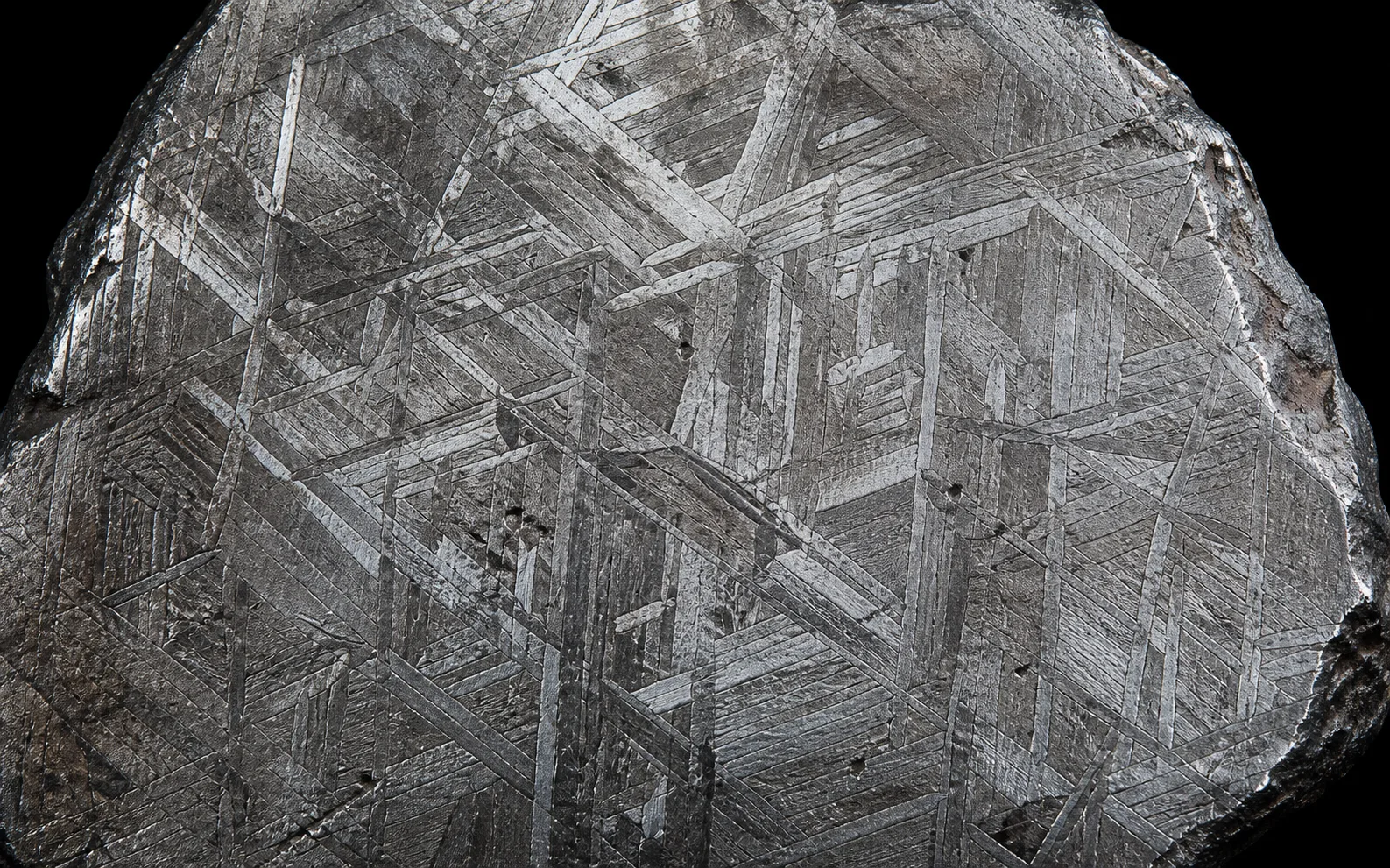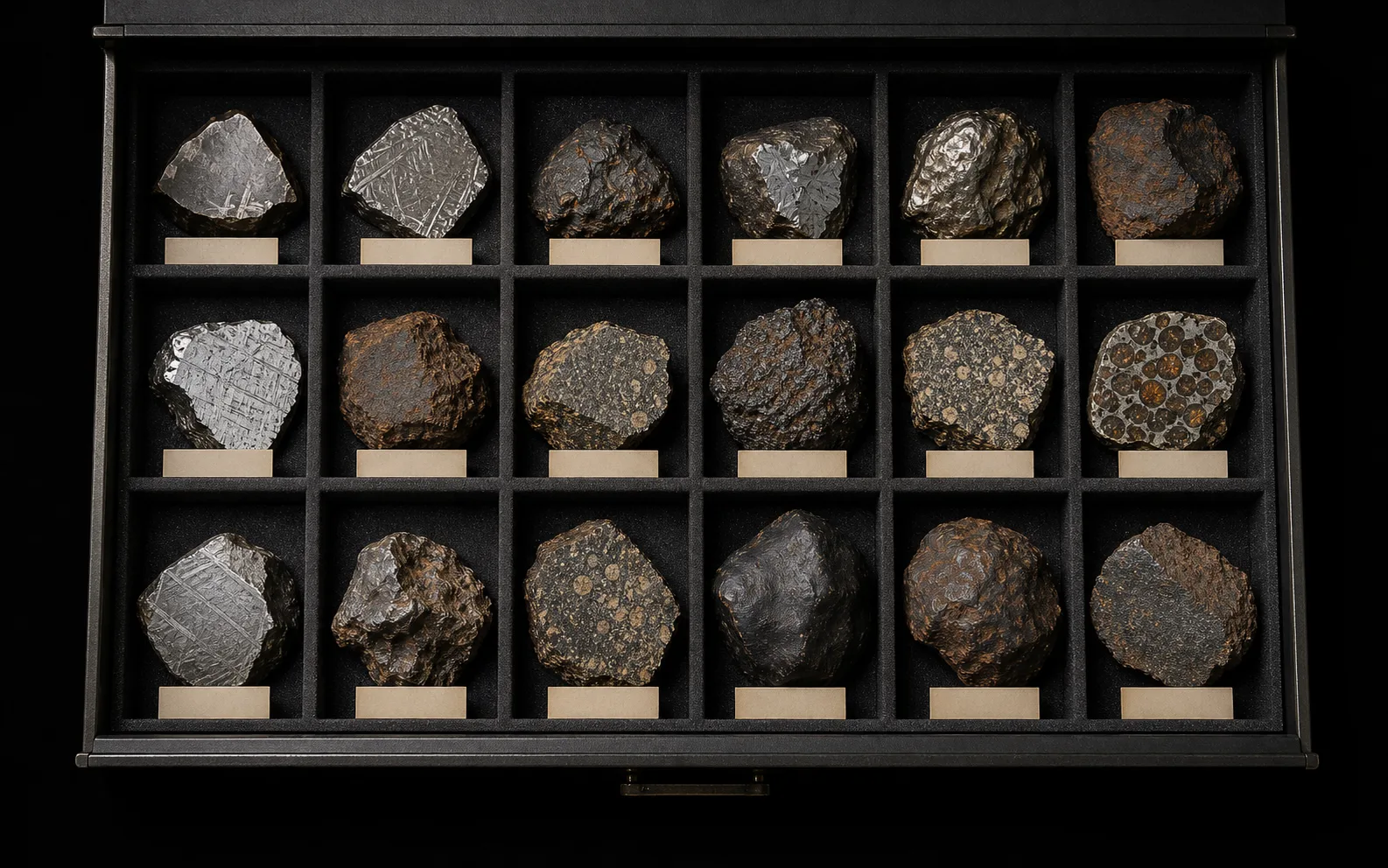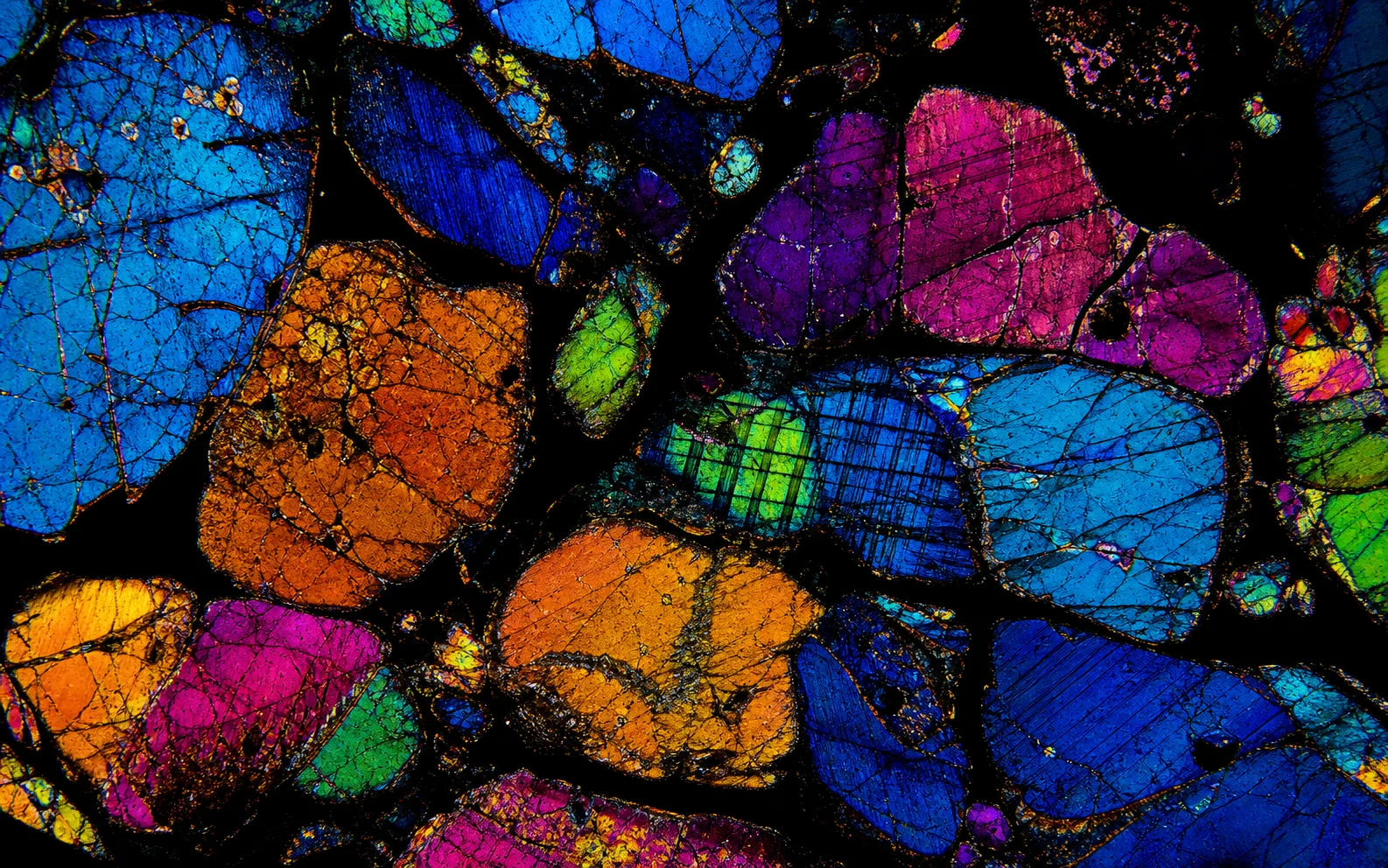
You do not need deep pockets to build a collection that tells the whole story of the solar system; you need a plan and some patience. Start with breadth, not rarity. A handful of inexpensive specimens that cover the main types — an ordinary chondrite, an etched iron slice, a tektite — teaches you more, and gives you more to look at, than a single expensive piece bought first. Aim to hold an example of each major class before you upgrade any one of them.
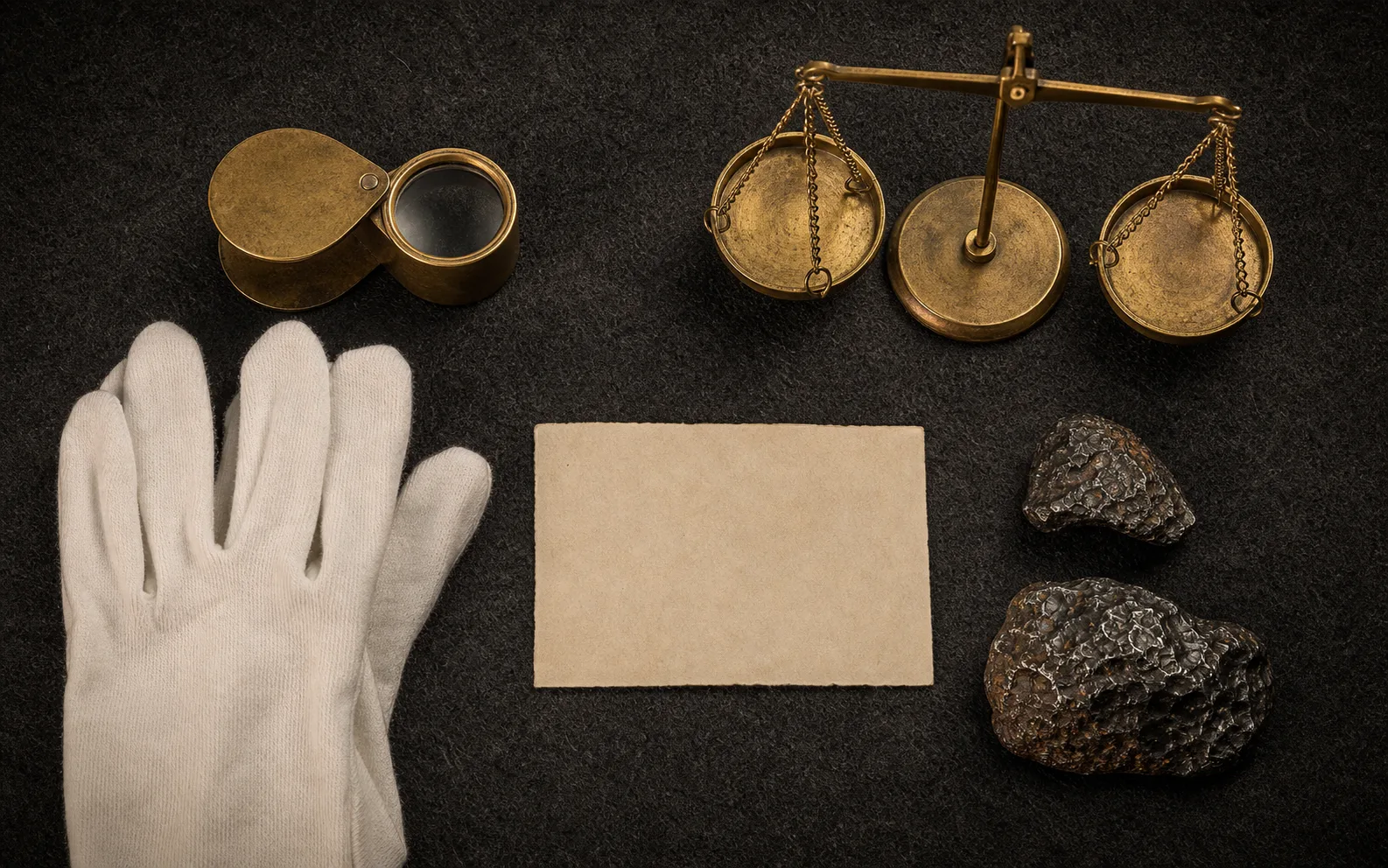
Buy the best example you can of each type rather than the cheapest. A chondrite with visible chondrules and real crust is worth more to a collection than three tumbled scraps, even at the same total price. As you go, favour classified material with a name you can look up, keep every label and card that comes with a specimen, and photograph each piece against a scale — provenance is part of what you are collecting, and it is what protects the value.
Only reach for the rare classes — lunar, Martian, fresh witnessed falls — once the foundation is in place and you understand what you are looking at. They cost the most, they are the most faked, and they reward a buyer who already knows the field. Collect slowly, learn as you go, and let the collection grow into a coherent story rather than a pile of impulse buys.