Own a fragment of another world
Quant Service AI is an independent meteorite registry. Every specimen is a genuine, classified meteorite — authenticated, documented and graded honestly, from a first chondrite to lunar and Martian rarities.
 Classified & Bulletin-listed
Graded out of ten
Classified & Bulletin-listed
Graded out of ten
A registry you can actually verify
Meteorites are only as good as their documentation. We treat the paperwork as seriously as the rock.
Every piece authenticated
Genuine, classified meteorites — checked against the Meteoritical Bulletin, never a mystery rock sold on faith.
Full provenance, always
Classification, find data, mass and photographs ship with every specimen. The paperwork is part of the object.
From £45 to museum-grade
A first chondrite for pocket money or a lunar micromount for a lifetime collection — every budget is welcome.
The science, explained
Plain-language field guides on what a specimen is, where it came from, and how to keep it from rusting.
Six classes to explore
Browse by what it is — iron, chondrite, pallasite, lunar, Martian or tektite — not by hype.
Graded honestly, 1 to 10
One clear registry grade per specimen, weighing authenticity, rarity, quality, looks and value for money.
Six kinds of falling star
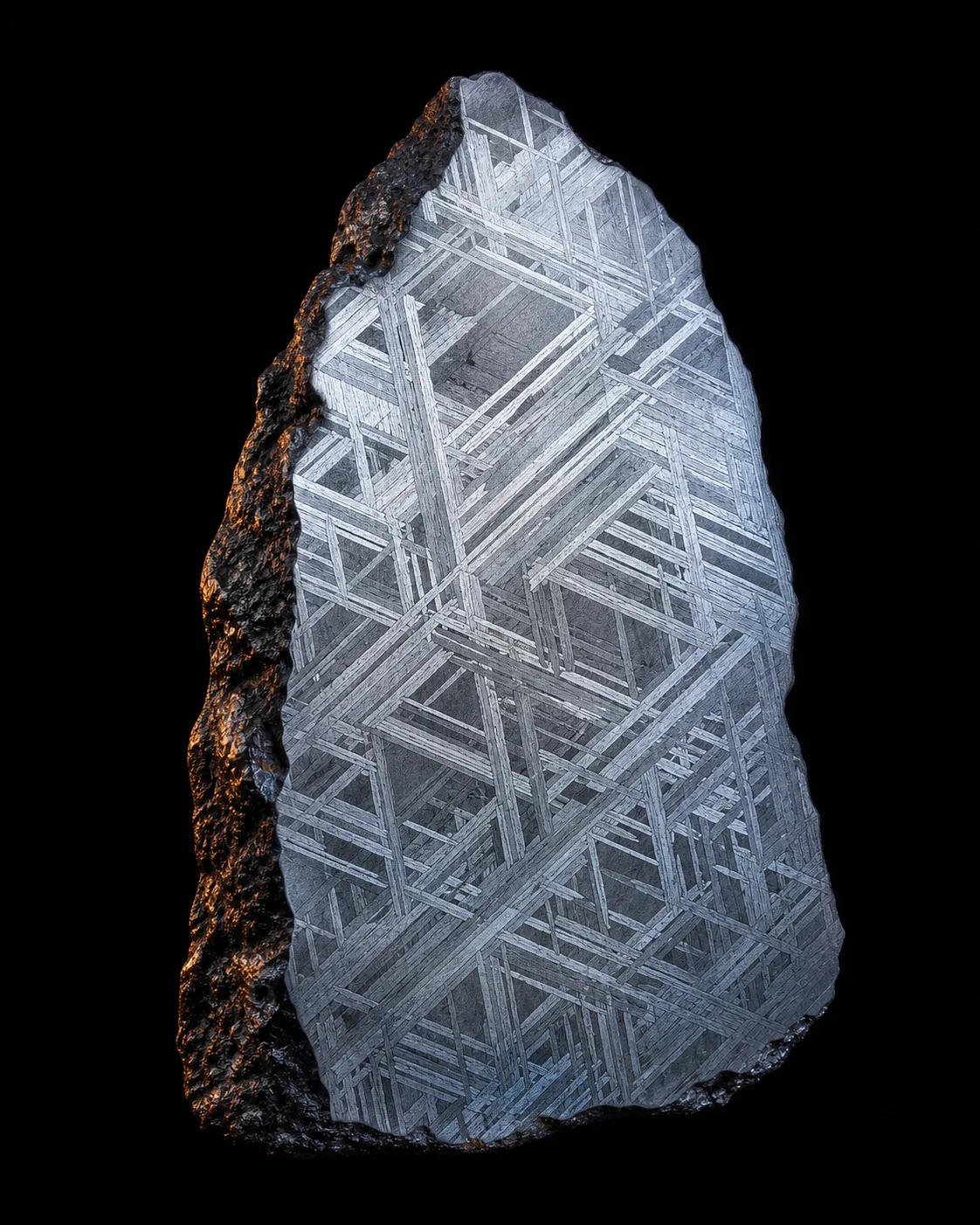
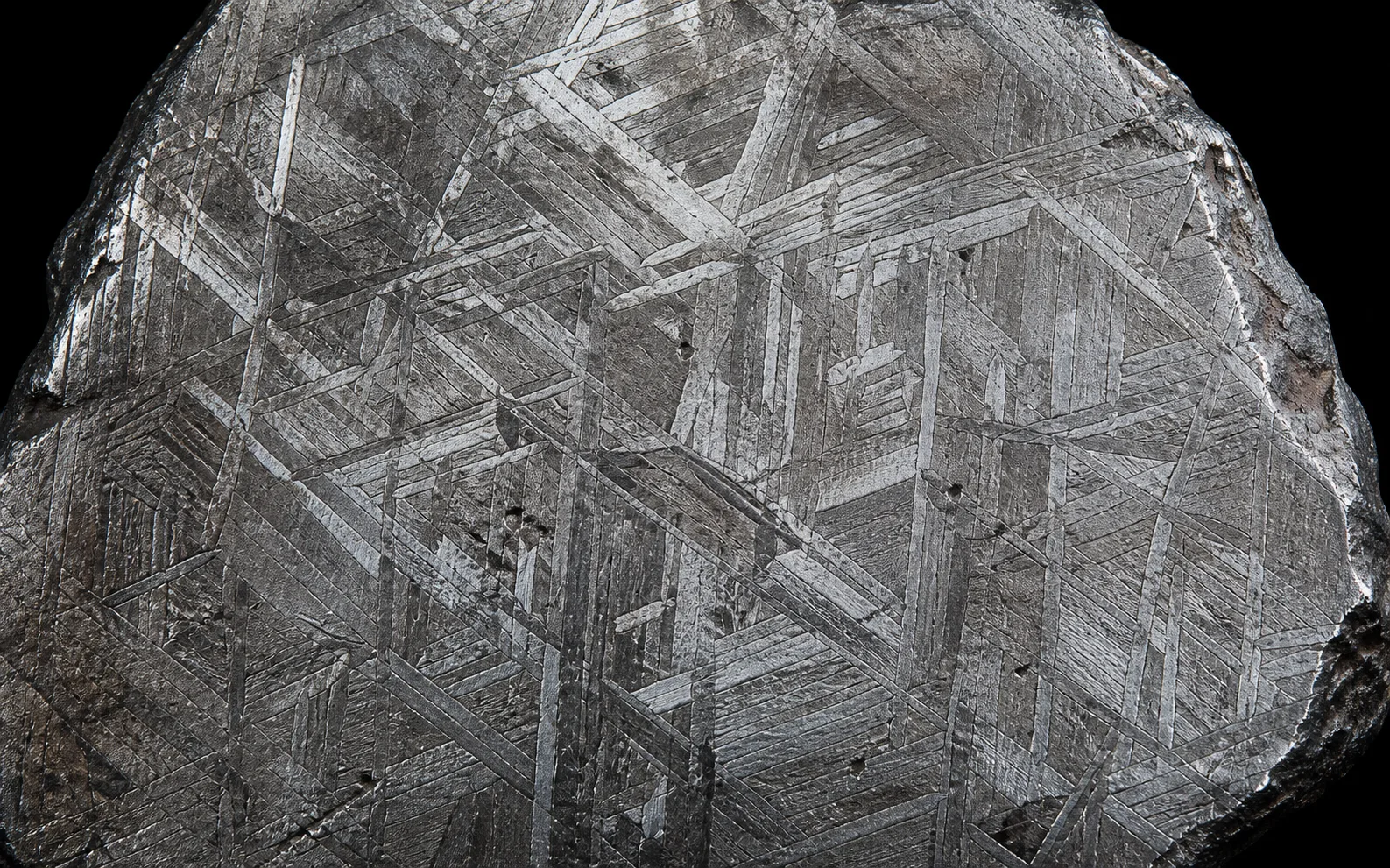
Irons
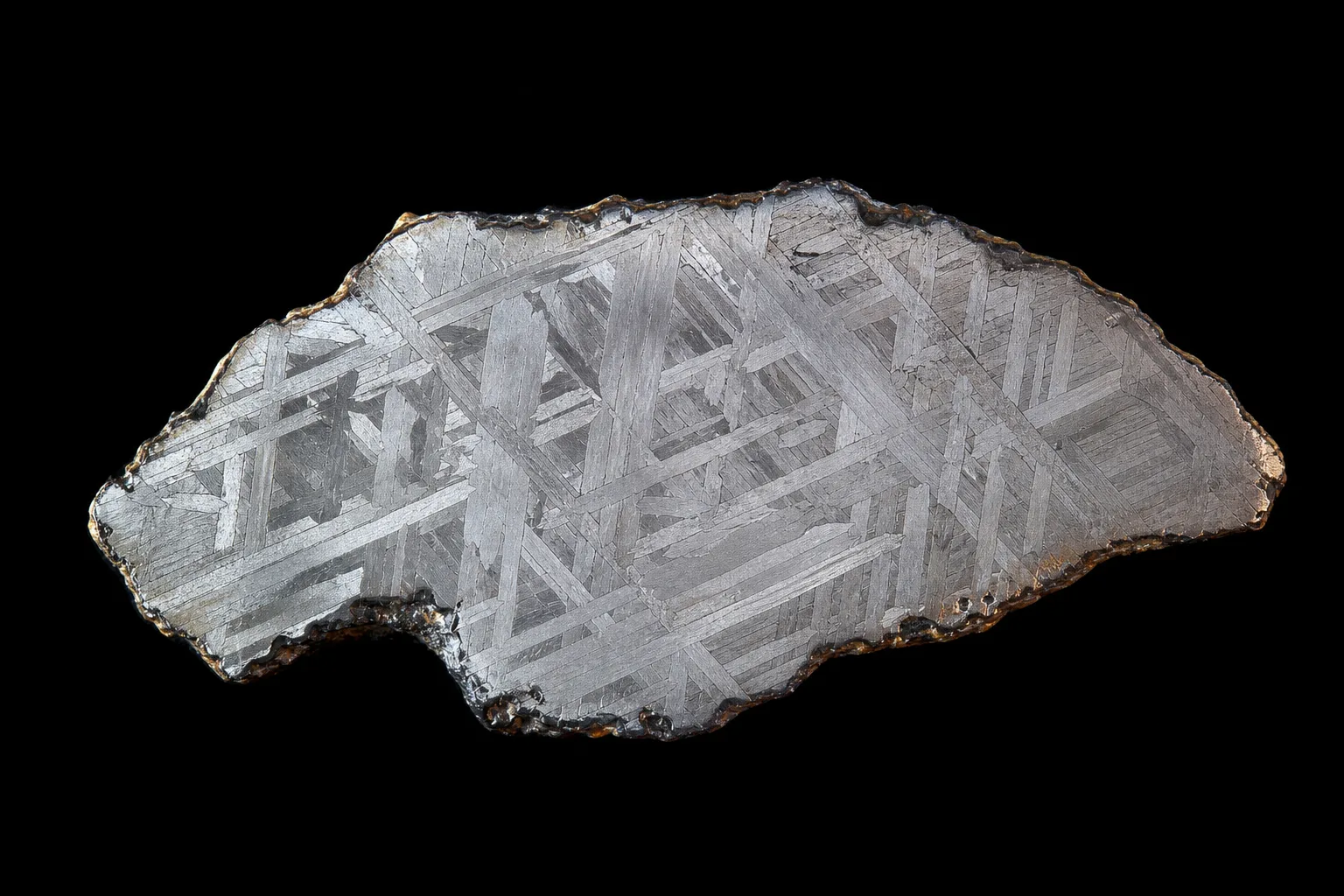
Nickel-iron cores of shattered worlds — etch them and a crystal lattice appears.
2 specimens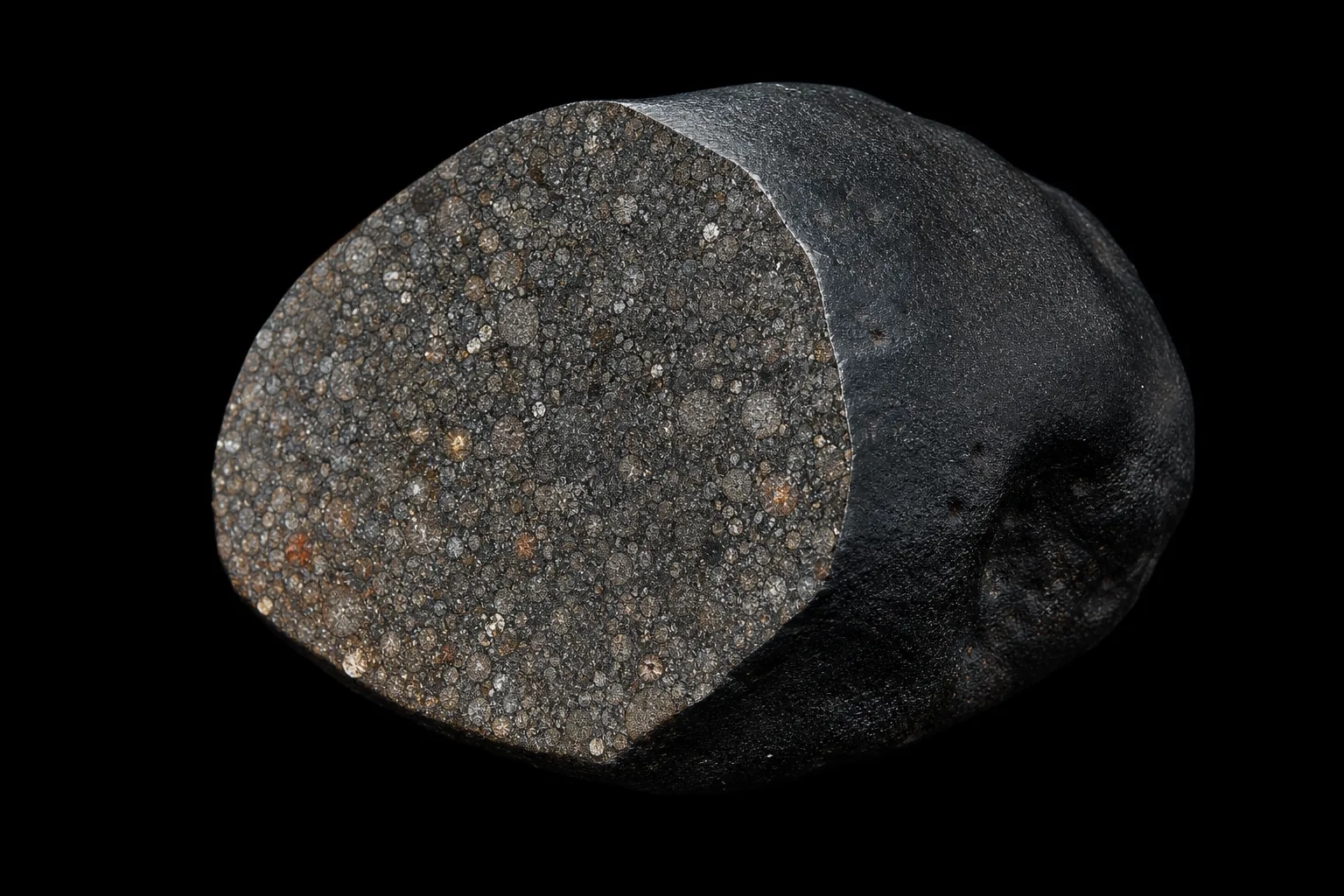
Stony Chondrites
The oldest rock you can hold: 4.56-billion-year grit that predates the planets.
2 specimens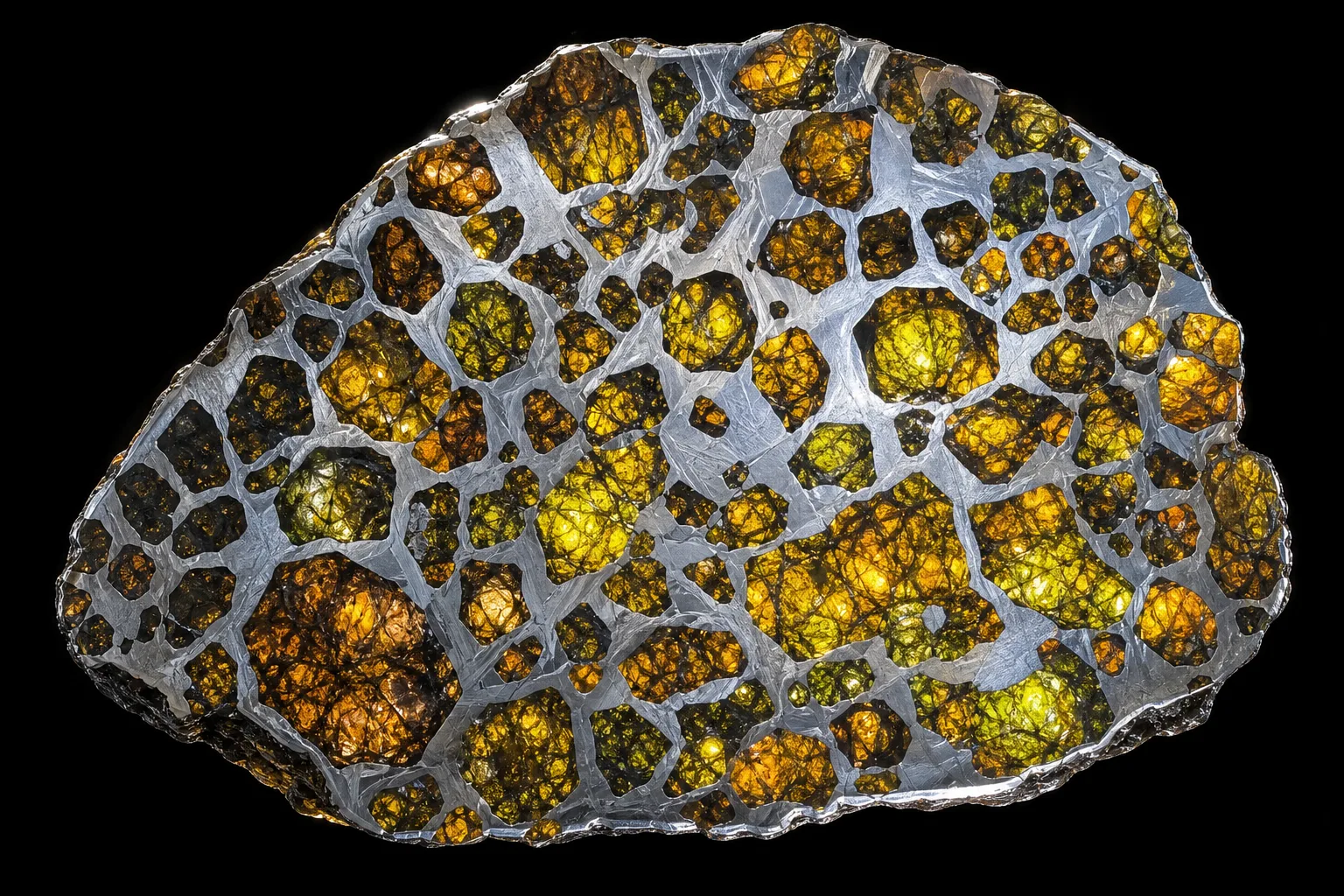
Pallasites
Olivine crystals suspended in polished metal — the stained glass of the solar system.
1 specimen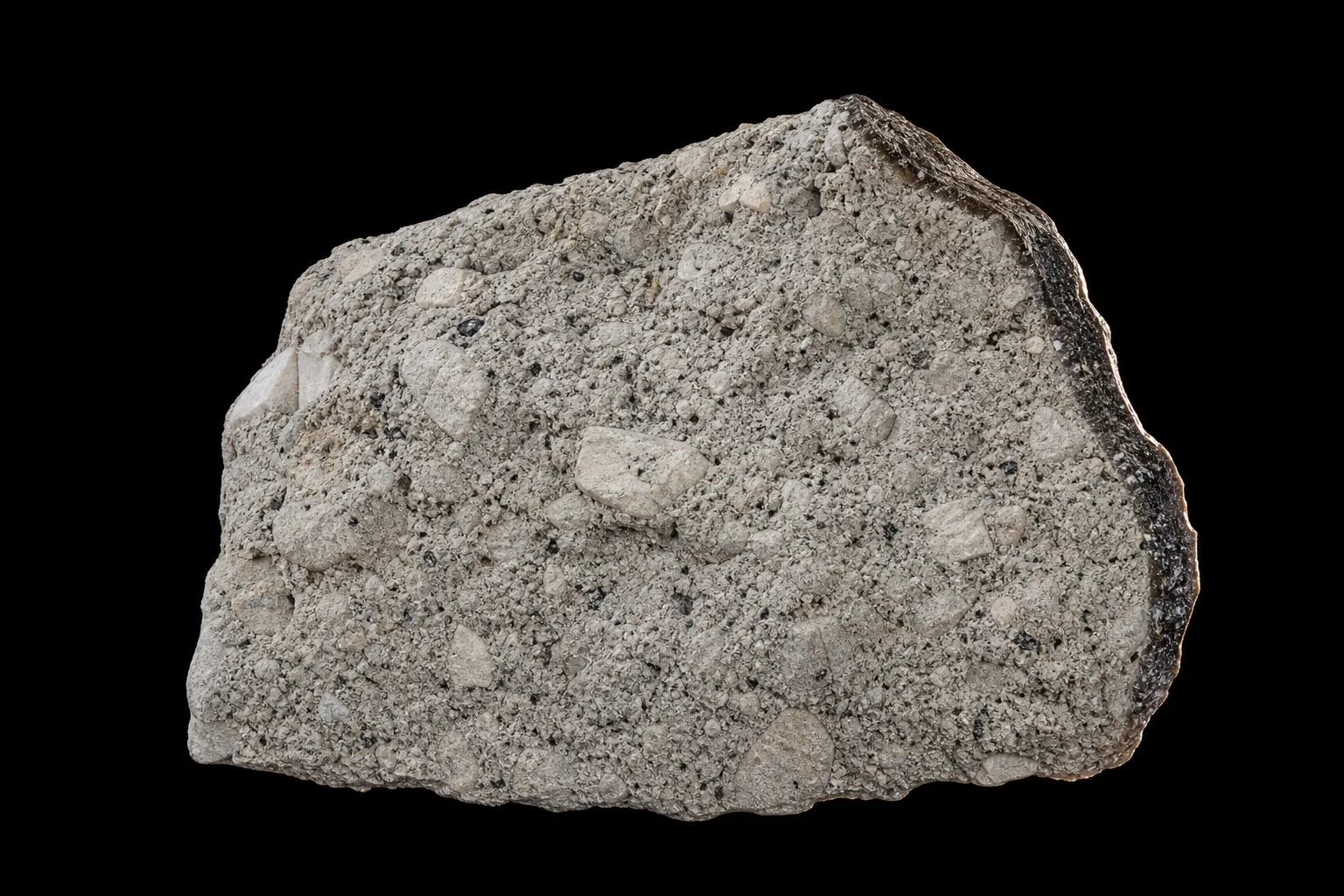
Lunar
Fragments blasted off the Moon by impact and delivered, eventually, to Earth.
1 specimen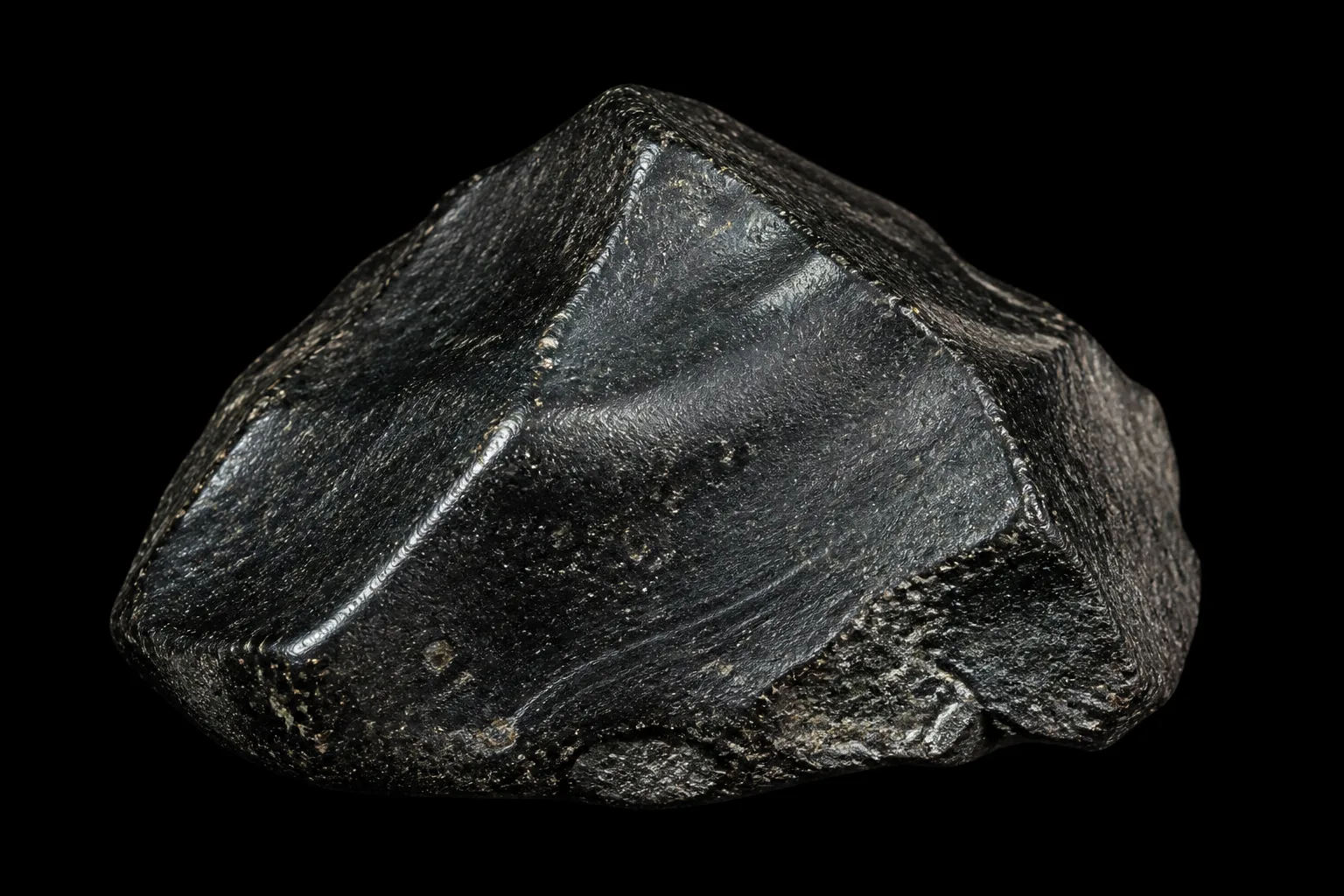
Martian
Basalt from Mars, its trapped gases matched to readings taken on the surface.
1 specimen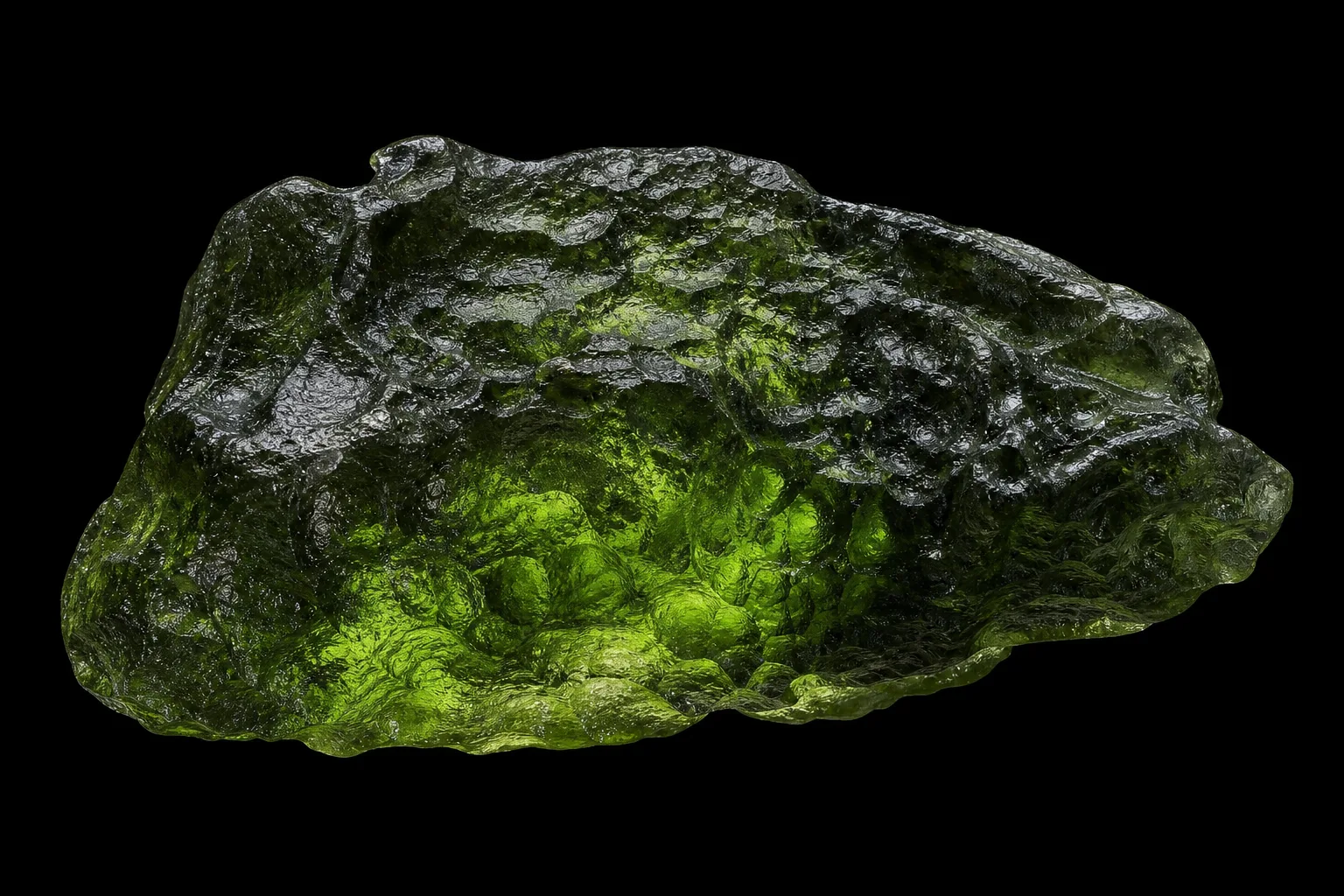
Tektites & Impactites
Natural glass forged in seconds when a strike melts and flings the ground skyward.
2 specimensThree steps, one honest listing
We verify the classification
Every specimen is matched to its official name and Meteoritical Bulletin entry — group, type and find details confirmed before it is listed.
We document everything
Mass, provenance and find data recorded, and each piece photographed against a scale, so what you receive is exactly what the label says.
We grade and price it straight
A single 1–10 grade weighing five factors, and a price band set against genuine peers — no invented rarity, no pressure.
Small, specialist, and precise
We would rather be trusted than large. Every figure below is real — no borrowed stats, no invented rarity.
Recently registered
Irons
Kell Basin, Namibia
Kell Basin
A mirror-etched slice whose Widmanstätten lattice is textbook-sharp — the specimen we hand people first.
££££View specimen
Stony Chondrites
Draa Valley, Morocco
Tamsin Draa
A crusted desert find with visible chondrules — the oldest thing most people will ever hold, at pocket-money prices.
££££View specimen
Pallasites
Olwen Vale, Western Australia
Olwen Vale
Olivine crystals glowing amber-green in a web of polished metal — the specimen that stops conversation.
££££View specimen
Lunar
Northwest Africa
Mare Frigus
A genuine piece of the Moon, its composition matched to the Apollo samples — sold by the gram, with paperwork.
££££View specimen
Martian
Reg el Acfer, Algeria
Rubicon
Basalt from Mars, its trapped gas fingerprinted to the Martian atmosphere — about as rare as a specimen gets.
££££View specimen
Tektites & Impactites
Vess Basin, Central Europe
Vess Green
Bottle-green impact glass with a deeply sculpted surface — forged in seconds when a meteorite struck.
££££View specimenWhat buyers tell us
I buy teaching specimens for an undergraduate planetary geology course, and Quant Service AI's documentation is the best I have found. The classifications check out every time, and the chondrites arrive with crust intact. Faultless.
My Olwen Vale pallasite slice is the centrepiece of the whole collection. Backlit on the little stand it came with, it genuinely stops visitors mid-sentence. Packed like it was made of glass, because it basically is.
Bought my daughter a Tamsin Draa chondrite for her birthday — her first meteorite. The card explaining it is older than the Earth did as much as the rock itself. She takes it to school constantly.
Serious about provenance and it shows. They talked me out of a piece I wanted because the classification was thin, and recommended a better-documented alternative. Lost a sale, earned a long-term customer.
The oriented iron, Corvid Fall, is extraordinary in person — no photo prepares you for the shape. Their humidity-care notes have kept it spotless for over a year now. Exactly what was described.
I came in wanting the Martian fragment and left with a sensible starter set instead, on their advice — build the foundation first. Refreshingly honest for a dealer. I will be back for the Mars piece.
Notes from the registry
How to Tell a Meteorite From a Meteorwrong
The five field tests that rule out 99% of the hopeful rocks people bring us — before any lab is needed.
Read guide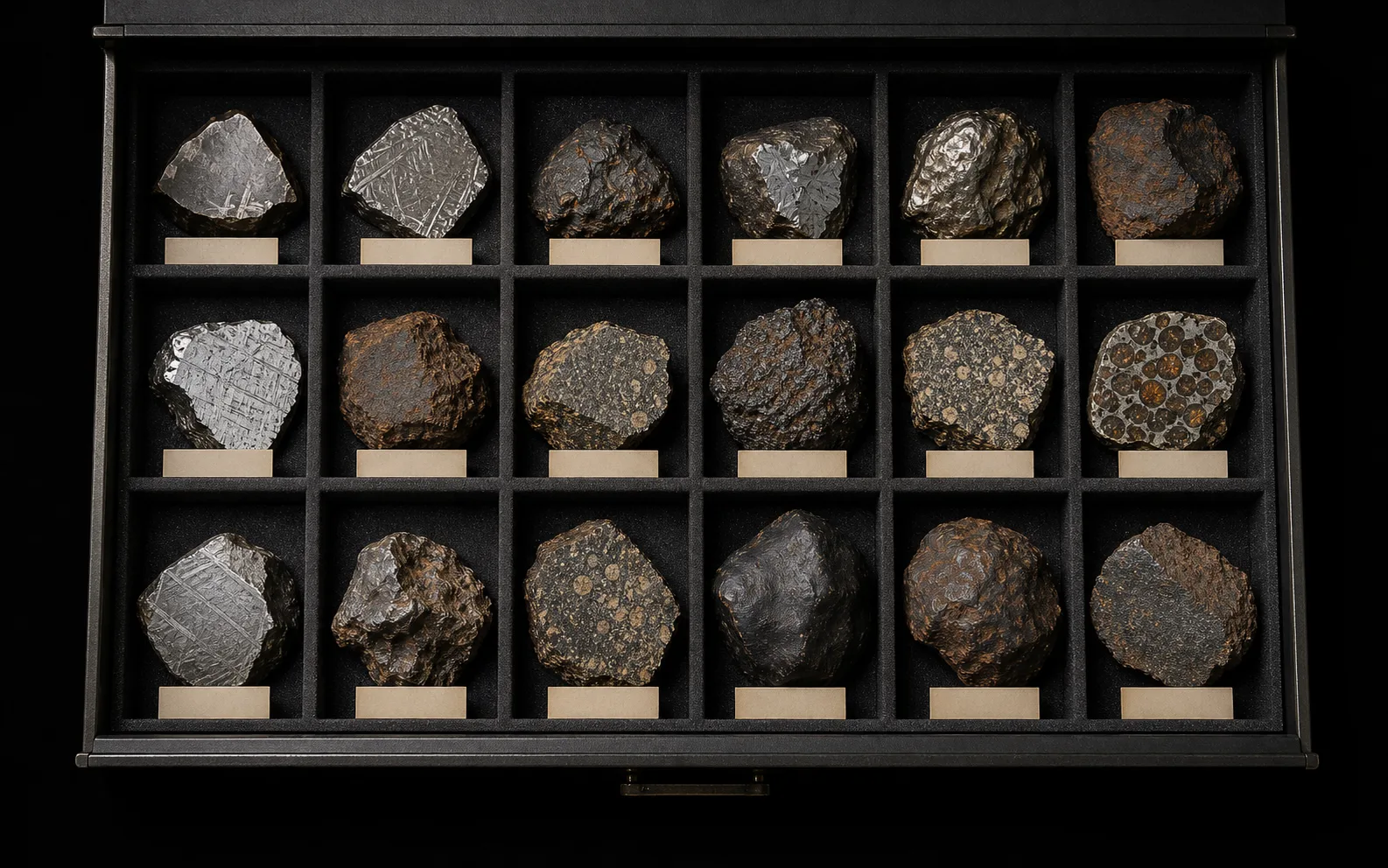
Why Every Specimen Ships With Its Paperwork
A meteorite without documentation is just a rock. Here is the record we keep, and why.
Read dispatch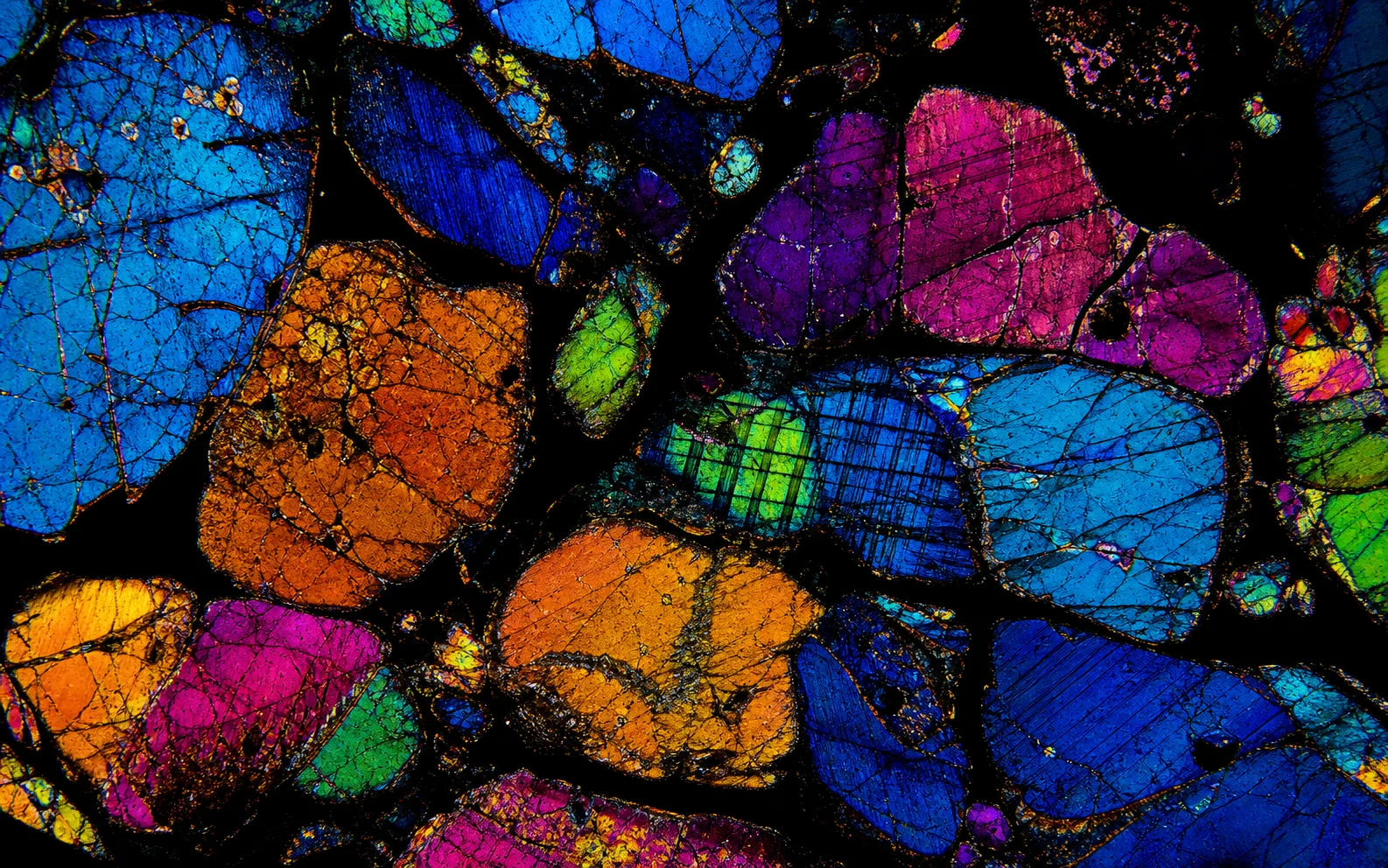
The Fingerprint in the Glass
How a few bubbles of trapped gas proved that some meteorites came from Mars.
Read dispatchFrequently asked
Yes. Everything we sell is a genuine meteorite with, wherever the material allows, an official classification and an entry in the Meteoritical Bulletin you can look up yourself. Each specimen ships with its classification name, group and type, find details, mass and photographs. We tell you plainly when a piece is unclassified and price it accordingly.
It is our own assessment, weighing five things roughly evenly: authenticity and documentation, rarity of the class, the quality of the individual specimen, aesthetics, and value for money. A common but flawless specimen can grade higher than a rare but poor one. The grade is a shorthand — always read the full description.
Start with the classification name and confirm it in the Meteoritical Bulletin. Genuine meteorites are magnetic, dense, bubble-free and carry a fusion crust; tektites should always come with a named strewn field. We document every specimen and welcome you to verify it independently before and after purchase. Our field guide covers the tests in detail.
Stony meteorites and tektites are low-maintenance. Iron and stony-iron specimens (irons and pallasites) actively rust and must be kept below about 50% humidity in a sealed case with silica gel, and handled with gloves. We ship irons sealed and include care notes; our field guide has a full routine.
We ship worldwide from the United Kingdom. Meteorites are legal to own and trade in most countries, but a few nations restrict export or treat finds as state property. We only sell material with a clear, lawful provenance, and it is the buyer's responsibility to check their own country's import rules before ordering.
Your first piece of space is closer than you think
Browse the catalogue, filter by class, and buy on documentation you can verify yourself — from £45 upward.
Start browsing